No Results Found
The page you requested could not be found. Try refining your search, or use the navigation above to locate the post.

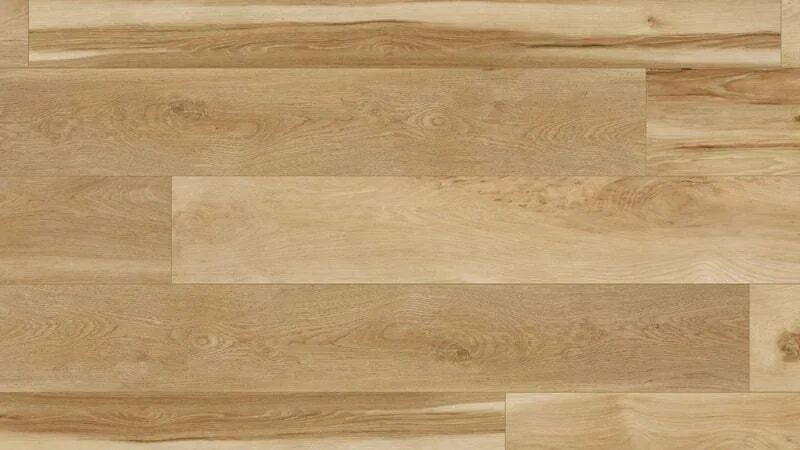
Natural vs. Manufactured Wood Flooring: Which One Should You Actually Choose?
Choosing between solid hardwood and engineered (manufactured) wood flooring comes down to performance, cost, and how the space will be used. Both use real wood, but they behave very differently.
Construction Differences
Natural (Solid Hardwood): Milled from a single piece of wood, usually 3/4" thick. Species like oak, maple, walnut, or hickory.
Manufactured (Engineered): Multi-layer construction with a real hardwood top layer (usually 2–6 mm) glued over plywood or HDF core. Total thickness is often 1/2" to 3/4".
Advantages & Disadvantages
Natural Hardwood
Advantages
Can be sanded and refinished 3–5+ times over its lifespan
Stronger, more solid feel underfoot
Higher resale value in many markets
Wide range of custom finishes and stains possible
Disadvantages
Expands and contracts significantly with humidity changes
Cannot be installed below grade or in high-moisture areas
More expensive (typically $8–15 per sq ft installed)
Requires acclimation and often needs nailing or gluing
Manufactured Wood
Advantages
Much more dimensionally stable — resists warping and cupping
Can be installed over concrete and in basements
Usually cheaper ($5–10 per sq ft installed)
Faster installation with click-lock systems
Uses less hardwood, making it more resource-efficient
Disadvantages
Limited refinishing potential (often only once, depending on veneer thickness)
Some lower-quality products can delaminate over time
Slightly less premium appearance in high-end spaces
Repairing deep damage is harder than with solid wood
Quick Comparison
| Factor | Natural Hardwood | Manufactured Wood |
|---------------------------------------|-----------------------------|----------------------------|
| Moisture Resistance | Poor | Good |
| Refinishing | Multiple times | Limited (0–1 time) |
| Cost | Higher | Lower |
| Installation | More restrictive | More flexible |
| Longevity | 50–100+ years | 20–40 years |
| Value Add | Higher | Moderate |
Bottom Line
Choose natural hardwood if you want maximum longevity, plan to stay in the home long-term, and can control humidity. Go with manufactured wood if you need stability, have a concrete subfloor, or want to keep costs down without sacrificing the look of real wood.
For most modern homes, engineered wood now offers the better balance of performance and value — unless you're specifically after that classic solid-wood character that can be refreshed for generations.
Regardless of your selection, H & H Flooring has the hardwood flooring that you want. Contact ud for quality installation.

The page you requested could not be found. Try refining your search, or use the navigation above to locate the post.
0 Comments